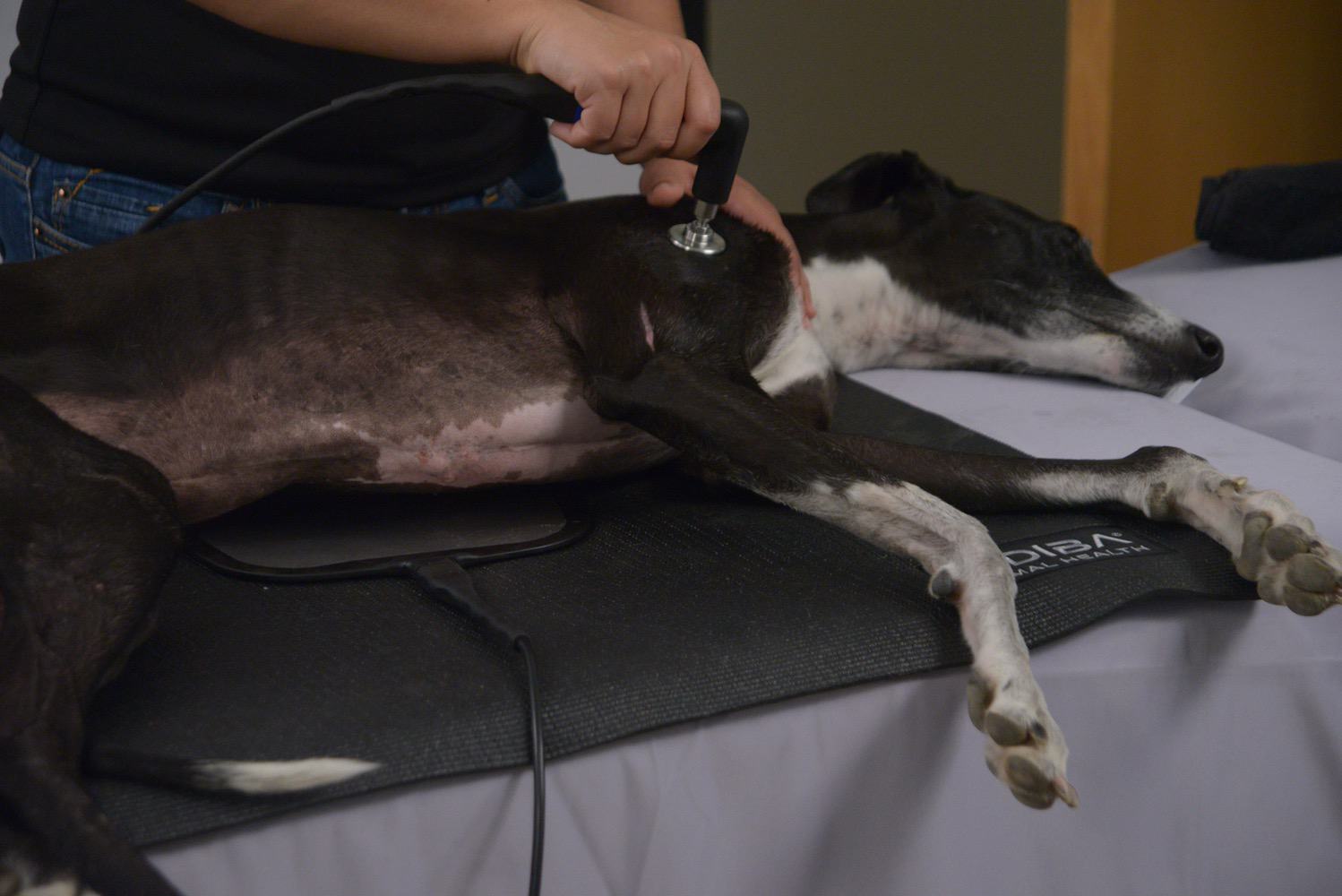
Manual therapy and therapeutic massage are the foundation of animal physiotherapy. Although they look gentle, these are precise techniques based on knowledge of anatomy and biomechanics that genuinely affect pain, tension and range of motion. We explain what they involve and who they help.
What is manual therapy?
Manual therapy is a set of techniques of working with the hands on the joints and soft tissues. It includes joint mobilisations, muscle- and fascia-release techniques and work on peri-articular tissues. Its aim is to improve mobility, reduce pain and restore correct movement mechanics.
What is therapeutic massage?
Therapeutic massage is targeted work on the muscles and soft tissues. Depending on the goal we use different techniques - relaxing, circulation-boosting or preparing the muscles for effort. It is more than pleasant stroking: it is a planned element of therapy, matched to the patient's condition.
What benefits do these methods bring?
- reduced pain and muscle tension,
- improved blood supply and tissue nourishment,
- increased range of motion in the joints,
- reduced swelling and support for drainage,
- release of overloaded muscle groups that compensate for an affected limb.
When do we use them?
Manual therapy and massage work well in recovery after injuries and surgery, in chronic pain and degenerative joint disease, in neurological patients and in sporting dogs - both in recovery and in preparing for effort. They are often the first step that "opens" the patient up to further exercise.
Part of a bigger whole
Manual therapy is rarely a stand-alone method. It gives the best results combined with therapeutic exercise (kinesiotherapy) and the other elements of animal physiotherapy. Relaxed, well-supplied tissues respond better to training and the effect lasts longer.
Want your dog to feel relief? Discover our animal physiotherapy or see how to support therapy with home exercises.