Animal physiotherapy in Wrocław
Physiotherapy is the foundation of every effective rehabilitation. At Multivet Active we combine therapeutic exercise, manual therapy and massage to restore dogs’ and cats’ full range of motion, muscle strength and everyday comfort.
What does animal physiotherapy involve?
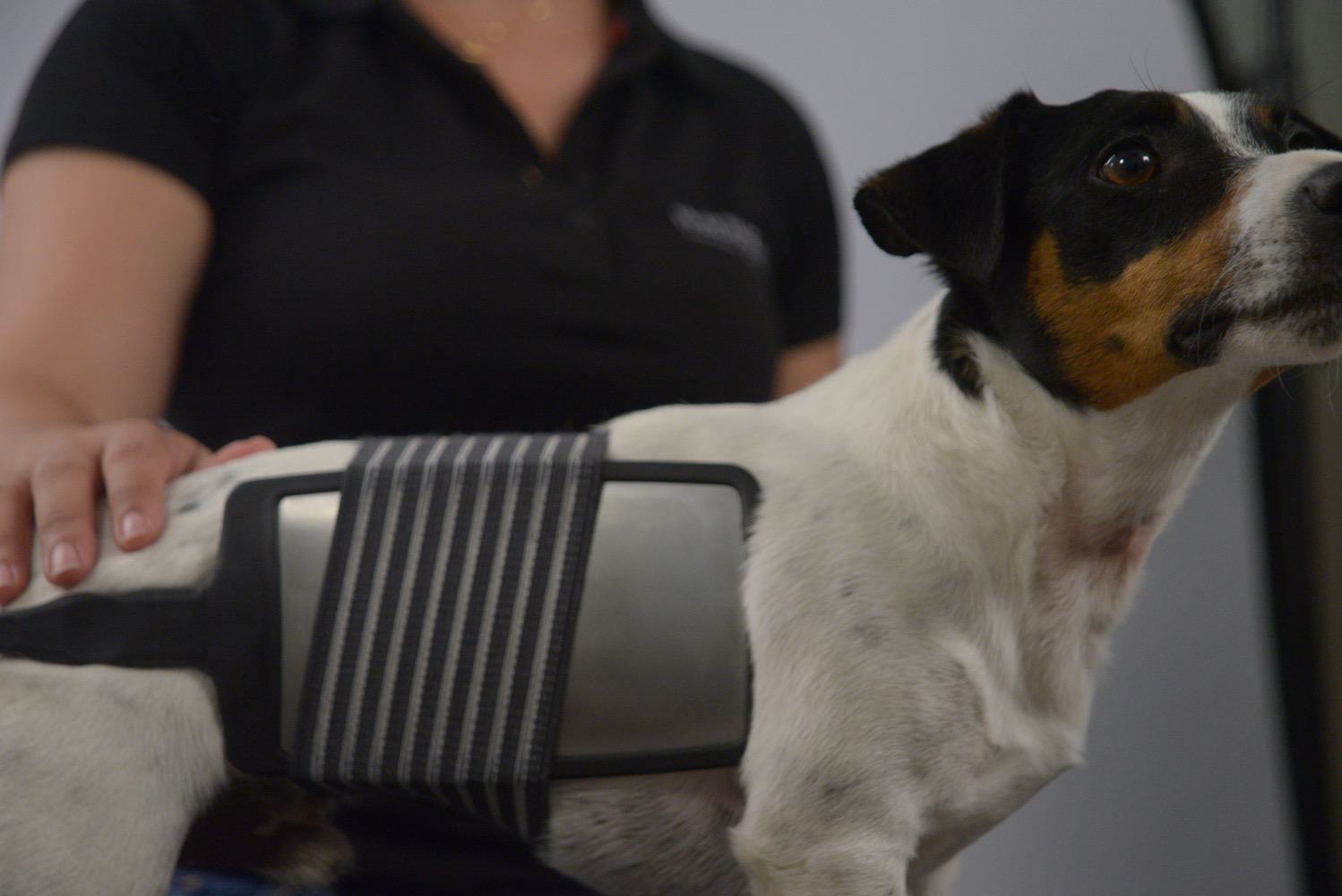
Animal physiotherapy is a set of methods that restore and maintain the mobility of dogs and cats. It uses exercise, manual work and massage to reduce pain, improve joint range of motion and rebuild strength and coordination. We always start the plan with a functional assessment of the patient and adapt it to their condition, age and the goal of therapy.
Kinesiotherapy and exercise
Active and passive exercises, balance and proprioception work rebuild strength, coordination and a correct movement pattern after injuries and surgery.
Manual therapy
Joint and soft-tissue mobilisation techniques release tension, improve mobility and bring relief in chronic pain.
Therapeutic massage
Massage improves circulation, reduces muscle tension and swelling and prepares the patient’s body for exercise and further therapy.
When does physiotherapy help?
Physiotherapy benefits animals of every age - from young patients to seniors.
After surgery
Regaining fitness after orthopaedic and neurological procedures.
Joint conditions
Support in arthrosis, dysplasia and chronic joint pain.
Neurological problems
Movement re-education in paresis and after disc disease.
Weight and fitness
Safe movement supporting weight reduction and muscle building.
Senior patients
Maintaining the mobility and comfort of older dogs and cats.
Injury prevention
Strengthening and recovery for active and sporting dogs.
Dog physiotherapy
Dog physiotherapy helps dogs get back in shape after injuries and surgery, eases pain in joint and spine conditions and supports active and sporting dogs. The programme includes therapeutic exercise, manual therapy and massage, and when needed we combine it with the water treadmill and INDIBA therapy. Every plan is matched to the dog’s breed, age and condition.
Cat physiotherapy
Cat physiotherapy calls for special calm and patience. We work in short sessions, in a quiet setting and at the cat’s own pace, favouring gentle manual techniques and exercise. Read more about our approach on the cat rehabilitation page.
Frequently asked questions about animal physiotherapy
How is physiotherapy different from rehabilitation?
Physiotherapy is a set of methods (exercise, manual therapy, massage), while rehabilitation is the whole process of returning to fitness that combines these methods with physical therapies such as INDIBA or the water treadmill.
What does the first visit to an animal physiotherapist look like?
We begin with an interview and a functional assessment - gait, range of motion and muscle strength. On this basis we design an individual plan and teach the owner home exercises.
Is physiotherapy painful for a dog or cat?
We carry out therapy so that it is comfortable. We match techniques and intensity to the patient’s response and tolerance, keeping stress to a minimum.
Can I do exercises with my dog at home?
Yes, it is a very important part of therapy. We teach owners simple, safe exercises that reinforce the results achieved in the clinic.
Physiotherapy is part of a bigger whole
The best results come from combining physiotherapy with the other recovery methods available at our centre.
What owners say
After cruciate ligament surgery our labrador would not put weight on the leg. Water treadmill sessions spread over several weeks brought his normal walks back.
I was afraid our cat would not tolerate any therapy. He was handled calmly, without force and at his own pace - after a course of treatments he stopped guarding the leg.
Our dog has hip dysplasia. Regular physiotherapy and the home exercises we were shown and given in writing clearly improved her mobility.
Book physiotherapy for your pet
We will put together an exercise and manual-therapy plan tailored to your dog’s or cat’s needs.