
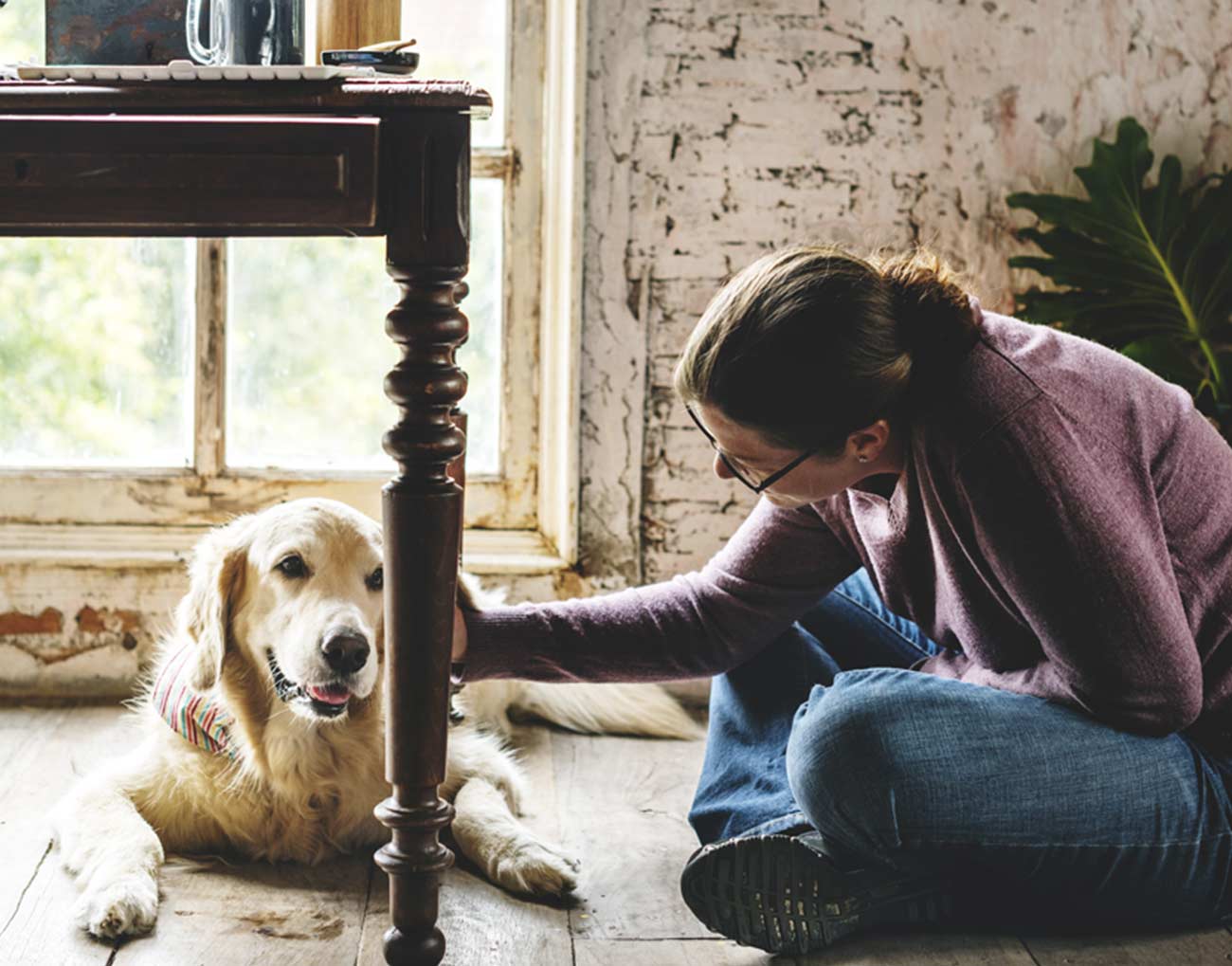
An older dog does not have to mean a sad, aching dog. Age is not a disease, and many complaints typical of seniors can be eased through rehabilitation. Here is how to look after an older pet's fitness and how we help seniors at the Multivet Active centre near Wrocław.
How does an ageing dog change?
With age a dog's muscle mass and strength naturally decrease, the joints lose flexibility and degenerative diseases become more common. The dog warms up more slowly, is stiff after rest and less eager to play. Some changes are unavoidable, but many can be slowed and eased.
Signs that a senior needs support
- stiffness and difficulty getting up, especially in the morning or after lying down,
- reluctance to walk, use stairs or jump,
- slowing down and sitting down more often during movement,
- loss of muscle mass, particularly over the hindquarters,
- behavioural changes resulting from chronic discomfort.
How does rehabilitation help seniors?
The aim is to maintain fitness, muscle strength and range of motion and, above all, quality of life. Regular, well-chosen activity helps preserve independence - whether the dog can climb the stairs or hop into the car really affects its daily life.
Safe methods for older dogs
In seniors we value methods that are gentle on the joints. The water treadmill works very well - it allows offloaded exercise without painfully loading the joints. We complement it with INDIBA therapy (easing pain and tension), massage and gentle exercises, always matched to the patient's abilities.
Weight and daily care
Overweight in a senior is a double problem - it loads joints already affected by disease and makes activity harder. Simple changes at home also help: anti-slip mats, a warm bed, a ramp to the car and raised bowls.
Want to care for your older pet's fitness? See our dog rehabilitation or read about degenerative joint disease.